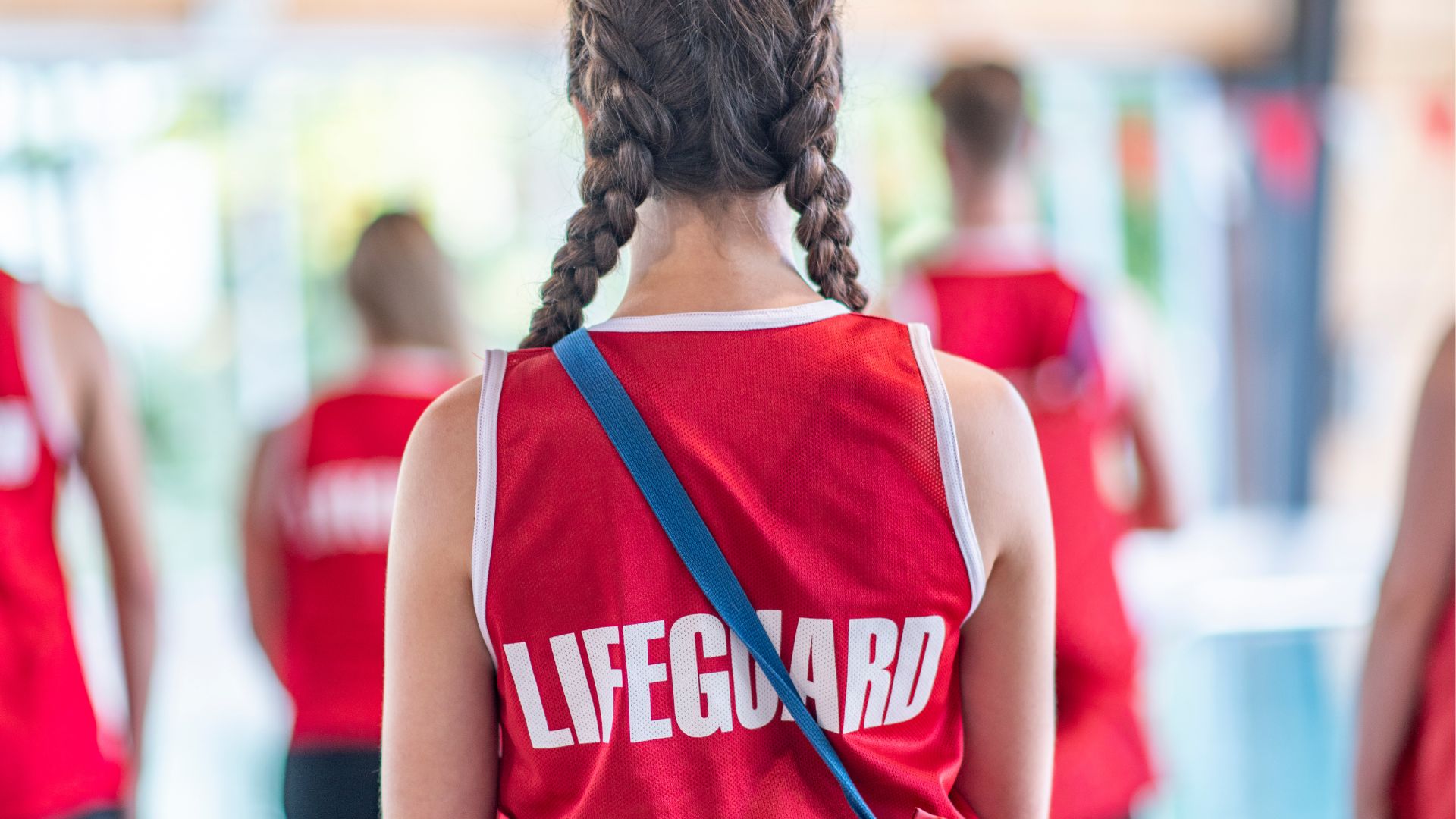
Lifeguards play one of the most important safety roles in aquatic environments. From public beaches and resort pools to community aquatic centers, lifeguards are responsible for monitoring swimmers and responding quickly when emergencies occur. In a coastal city like West Palm Beach, where water activities are part of daily life, lifeguards must be prepared for a wide range of situations. One of the most important qualifications for this role is CPR Certification, which equips lifeguards with the lifesaving skills needed to respond during critical moments.
Water related emergencies can escalate quickly. A swimmer who struggles in the water may lose consciousness or stop breathing within minutes. When a lifeguard is trained in CPR, they can begin lifesaving care immediately after removing someone from the water. These first moments are crucial because oxygen must be restored to the brain and vital organs as quickly as possible.
In a community surrounded by beaches, pools, and recreational water facilities, CPR training helps ensure that lifeguards are fully prepared to protect swimmers and visitors.
Why CPR Is Critical in Aquatic Emergencies
Drowning and water related incidents often involve breathing complications. When someone is submerged or struggling in the water, their body may not receive enough oxygen. If oxygen deprivation continues for too long, it can lead to unconsciousness or cardiac arrest.
CPR plays a vital role in restoring circulation and breathing during these emergencies. Lifeguards who have completed CPR Certification learn how to begin chest compressions and rescue breathing to help restore oxygen flow until emergency medical services arrive.
Because lifeguards are typically the first responders at aquatic facilities, their ability to perform CPR can make the difference between life and death. Immediate action increases the chances that a swimmer will recover successfully after a serious water incident.
The Unique Responsibilities of Lifeguards
Lifeguards are trained to prevent accidents before they happen, but they must also be ready to respond instantly when emergencies occur. Their responsibilities extend far beyond simply watching swimmers.
Typical lifeguard duties include:
- Monitoring swimmers and identifying potential hazards
- Enforcing safety rules around pools and beaches
- Responding to distressed swimmers
- Performing water rescues
- Providing first aid and emergency care
After rescuing someone from the water, lifeguards must quickly assess the person’s breathing and consciousness. If the individual is not breathing or has no pulse, CPR must begin immediately.
Completing CPR Certification ensures that lifeguards have the skills and confidence needed to provide this critical care.
West Palm Beach and Water Safety
West Palm Beach is known for its beautiful coastline, warm climate, and vibrant tourism industry. Residents and visitors enjoy swimming, boating, surfing, and relaxing at the beach throughout the year.
Because of the region’s active aquatic lifestyle, lifeguards serve an essential role in maintaining public safety. Beaches, hotel pools, and recreational facilities depend on trained professionals who can respond quickly to emergencies.
Large numbers of swimmers increase the importance of having well trained lifeguards on duty. When lifeguards are equipped with CPR training, aquatic facilities become safer environments for everyone.
Lifeguards trained in CPR Certification are better prepared to respond when water related emergencies occur along the busy beaches and pools of West Palm Beach.
CPR and Rescue Breathing for Drowning Victims
Drowning emergencies differ from many other types of medical incidents. In these situations, the primary problem is often a lack of oxygen caused by water inhalation or prolonged submersion.
CPR training teaches lifeguards how to provide both chest compressions and rescue breathing. Rescue breaths are especially important in drowning cases because they help restore oxygen to the lungs.
During training, lifeguards practice:
- Assessing breathing and responsiveness
- Performing chest compressions at the correct rate
- Delivering effective rescue breaths
- Coordinating CPR efforts with other responders
These skills help lifeguards stabilize victims until emergency medical professionals arrive on the scene.
AED Devices and Aquatic Facilities
Automated external defibrillators are often available at beaches, aquatic centers, and recreation facilities. These devices help restore a normal heart rhythm during sudden cardiac arrest.
CPR training programs teach lifeguards how to recognize cardiac emergencies and use AED devices safely. AED units are designed with voice prompts that guide responders step by step through the process.
Using CPR together with an AED significantly increases survival chances during cardiac arrest. Lifeguards who understand how to operate these devices can act quickly during emergencies.
In busy aquatic environments like those found in West Palm Beach, the ability to use both CPR and AED equipment is an essential part of emergency preparedness.
Building Confidence Through Hands On Training
Responding to a water emergency requires calm thinking and quick decision making. CPR training programs provide lifeguards with hands on experience so they can develop confidence in their abilities.
Participants practice CPR techniques on training mannequins and simulate emergency scenarios similar to those that may occur at pools or beaches.
This hands on training helps lifeguards become comfortable performing lifesaving procedures under pressure. When emergencies happen in real situations, trained lifeguards are more likely to respond quickly and effectively.
Completing CPR Certification ensures that lifeguards have both the knowledge and practical experience needed to handle critical situations.
Protecting Families and Visitors
West Palm Beach attracts residents and visitors who enjoy spending time around water. Families bring children to public pools, tourists relax on the beaches, and swimmers gather at aquatic facilities throughout the city.
Lifeguards serve as a crucial line of protection for everyone enjoying these environments. Their training helps ensure that accidents are addressed quickly and that emergency care is provided when needed.
Parents feel more confident allowing their children to swim when trained lifeguards are present. Visitors also benefit from knowing that safety professionals are watching over the water.
By maintaining CPR Certification, lifeguards help create safer recreational environments for everyone.
Professional Standards for Lifeguards
Most lifeguard positions require CPR certification as part of the training process. Aquatic facilities often follow strict safety standards that ensure staff members are properly prepared to respond to emergencies.
Certification programs teach lifeguards a combination of water rescue techniques, first aid, and CPR skills. These programs help ensure that lifeguards meet professional safety expectations.
Maintaining certification also requires periodic renewal so that lifeguards stay up to date with the latest safety guidelines and best practices.
By keeping their training current, lifeguards demonstrate professionalism and dedication to protecting the swimmers under their care.
Final Thoughts on West Palm Beach CPR Certification for Lifeguards
Lifeguards play an essential role in protecting swimmers and responding to emergencies in aquatic environments. In a coastal city like West Palm Beach, where water recreation is a daily part of life, having well trained lifeguards on duty is critical. Completing CPR Certification provides lifeguards with the lifesaving skills needed to respond quickly when someone experiences breathing difficulties or cardiac arrest in the water.
From beaches and community pools to resort facilities and recreation centers, CPR trained lifeguards strengthen public safety across the region. Their ability to perform rescue breathing, chest compressions, and emergency response procedures can save lives during critical moments.
By maintaining CPR certification and continuing their safety training, lifeguards help ensure that West Palm Beach remains a safe and enjoyable place for swimmers, families, and visitors.
Frequently Asked Questions
Do lifeguards need CPR certification?
Yes. Most lifeguard positions require CPR certification because lifeguards must be prepared to respond to breathing or cardiac emergencies in the water.
Why is CPR important for drowning victims?
CPR helps restore oxygen flow and circulation after a drowning incident, increasing the chances of survival until medical professionals arrive.
Do lifeguards learn AED use during CPR training?
Yes. Many CPR courses teach lifeguards how to use automated external defibrillators during cardiac emergencies.
How often must lifeguards renew CPR certification?
CPR certification typically lasts two years before renewal is required to maintain active credentials.