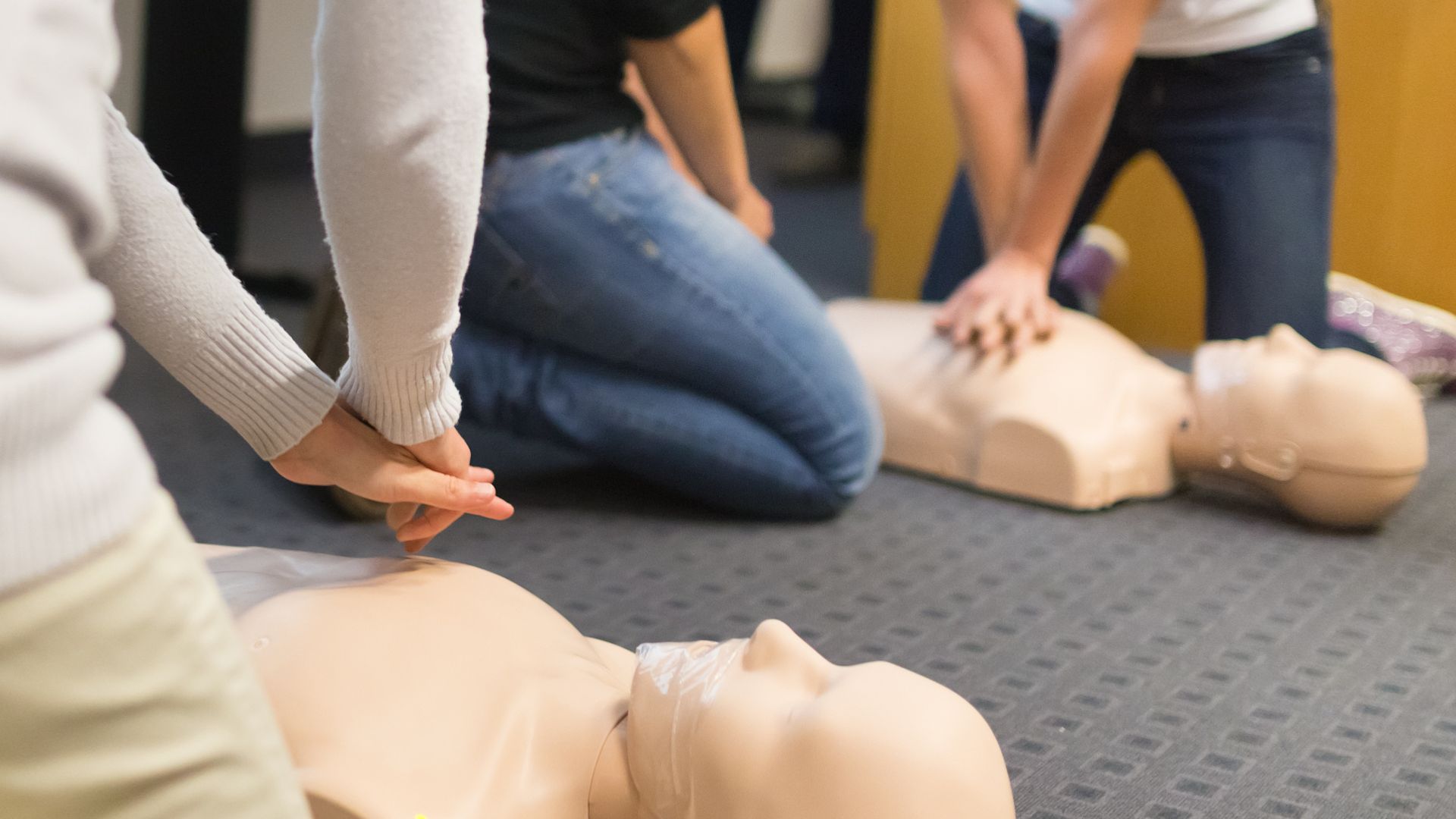
Caring for older adults requires compassion, patience, and the ability to respond quickly during medical emergencies. As the senior population in West Palm Beach continues to grow, more families are relying on professional caregivers, home health aides, assisted living staff, and family members to provide daily support for aging loved ones. While many caregiving responsibilities focus on comfort and routine care, emergencies can happen without warning, making Basic Life Support (BLS) training one of the most valuable skills a caregiver can possess.
Cardiac arrest, choking incidents, falls, respiratory distress, and sudden medical complications are all more common among older adults. In many situations, a caregiver is the first person present when an emergency occurs. Through CPR Certification, West Palm Beach senior caregivers can gain the hands-on skills and confidence needed to provide immediate assistance while waiting for emergency medical services.
BLS training is not simply another certification. It is an essential part of providing safe, high-quality care to some of the community’s most vulnerable individuals.
Why Seniors Face Higher Medical Risks
As people age, they often develop health conditions that increase the likelihood of medical emergencies.
Common age-related conditions include:
- Heart disease
- High blood pressure
- Diabetes
- Chronic obstructive pulmonary disease (COPD)
- Stroke risk
- Dementia
- Mobility limitations
- Swallowing difficulties
Many seniors also take multiple medications, which can contribute to unexpected medical complications.
Because these conditions can change rapidly, caregivers must be prepared to recognize warning signs and respond immediately.
Cardiac Arrest Can Happen Without Warning
Sudden cardiac arrest is one of the most serious emergencies a caregiver may encounter.
Unlike a heart attack, cardiac arrest occurs when the heart suddenly stops pumping blood effectively.
Signs of cardiac arrest include:
- Sudden collapse
- Loss of consciousness
- No normal breathing
- No detectable pulse
Without immediate intervention, survival chances decrease significantly with every passing minute.
Basic Life Support training teaches caregivers how to recognize cardiac arrest and begin CPR immediately while emergency responders are on the way.
The American Heart Association continues to emphasize that rapid CPR and early defibrillation significantly improve survival outcomes during cardiac arrest. American Heart Association
Choking Emergencies Are Common Among Older Adults
Many seniors experience swallowing difficulties due to aging, neurological conditions, or certain medications.
Common choking hazards include:
- Meat
- Bread
- Pills
- Hard fruits and vegetables
- Candy
Medical conditions such as Parkinson’s disease, stroke, and dementia can further increase choking risks.
BLS training teaches caregivers how to:
- Recognize airway obstruction
- Perform abdominal thrusts
- Assess breathing
- Know when CPR becomes necessary
Quick intervention can often prevent a choking incident from becoming fatal.
Respiratory Emergencies Require Immediate Action
Older adults frequently live with chronic respiratory conditions that may suddenly worsen.
Common conditions include:
- Asthma
- COPD
- Emphysema
- Pneumonia
- Congestive heart failure
Caregivers may encounter symptoms such as:
- Difficulty breathing
- Wheezing
- Blue lips or fingertips
- Severe coughing
- Loss of consciousness
Basic Life Support training helps caregivers recognize respiratory distress early and provide appropriate emergency care until EMS arrives.
Falls Can Lead to Serious Medical Crises
Falls remain one of the leading causes of injury among older adults.
A seemingly simple fall can result in:
- Head injuries
- Broken bones
- Internal bleeding
- Loss of consciousness
- Cardiac complications
While BLS training does not replace professional medical care, it helps caregivers assess the situation, monitor breathing, and respond appropriately if the individual becomes unresponsive.
Knowing how to remain calm during these situations helps protect both the caregiver and the patient.
Caregivers Are Often the First Responders
Unlike hospitals, many senior care environments do not have immediate access to emergency medical teams.
Whether providing care in:
- Private homes
- Assisted living facilities
- Independent living communities
- Memory care centers
The caregiver is often the first person to recognize a medical emergency.
Training through CPR Certification prepares caregivers to bridge the gap between the onset of an emergency and the arrival of professional responders.
AED Knowledge Is an Important Part of BLS
Automated External Defibrillators are becoming more common in senior living communities, medical offices, and public spaces throughout West Palm Beach.
BLS courses teach participants how to:
- Turn on the AED
- Position electrode pads correctly
- Follow voice prompts
- Safely clear the patient
- Resume CPR immediately after a shock
Combining CPR with early defibrillation provides one of the strongest opportunities for survival during sudden cardiac arrest.
Family Caregivers Benefit From BLS Training Too
Not all senior caregivers work professionally.
Many people provide daily care for:
- Parents
- Grandparents
- Spouses
- Elderly relatives
Family caregivers often assist with medications, meals, mobility, and transportation, placing them in a position where they may be the first to witness an emergency.
Learning Basic Life Support gives families greater confidence and peace of mind while caring for loved ones at home.
BLS Training Builds Confidence Under Pressure
Medical emergencies are stressful, especially when they involve someone you care about.
Without training, people may:
- Panic
- Freeze
- Forget important steps
- Delay calling for help
Hands-on BLS classes help participants practice emergency scenarios in a controlled environment.
Students learn:
- Chest compressions
- Rescue breathing
- AED operation
- Choking response
- Emergency assessment
This repetition helps build confidence and reduces hesitation during real emergencies.
Senior Care Facilities Value CPR-Certified Staff
Many assisted living communities, rehabilitation centers, and home health agencies prefer or require employees to maintain current BLS certification.
Having trained staff members helps facilities:
- Improve resident safety
- Meet workplace standards
- Strengthen emergency preparedness
- Increase family confidence
Caregivers who maintain certification often demonstrate a strong commitment to professional development and patient care.
West Palm Beach Has a Large Senior Population
South Florida has long been a popular destination for retirees, making senior care an important part of the local healthcare landscape.
As the aging population grows, so does the demand for qualified caregivers who possess life-saving skills.
Employers increasingly seek candidates who arrive prepared with current CPR and BLS certification because it simplifies onboarding and enhances patient safety.
BLS Training Covers More Than CPR
Many people think Basic Life Support only involves chest compressions, but comprehensive BLS training includes several important emergency response skills.
Students often learn:
- Adult CPR
- AED operation
- Rescue breathing
- Choking relief
- Team-based emergency response
- Patient assessment
These additional skills help caregivers respond to a wider variety of emergencies they may encounter while providing daily care.
Ongoing Renewal Keeps Skills Current
Emergency response guidelines occasionally evolve as new research becomes available.
Renewing BLS certification helps caregivers:
- Refresh life-saving techniques
- Review updated recommendations
- Reinforce muscle memory
- Maintain confidence
Many employers require certification renewal every two years to ensure caregivers remain prepared for real-world emergencies.
BLS Skills Extend Beyond the Workplace
The skills learned during Basic Life Support training are valuable far beyond professional caregiving.
Caregivers may one day use these skills to help:
- Family members
- Friends
- Neighbors
- Community members
- Complete strangers
Emergencies can happen anywhere, and being prepared to respond is one of the greatest gifts a person can offer others.
Hands-On Training Makes the Difference
Watching videos or reading articles can introduce the basics of CPR, but practical experience helps caregivers truly prepare for emergencies.
Hands-on instruction allows students to:
- Practice chest compressions
- Use an AED
- Perform rescue breathing
- Work through emergency scenarios
- Receive instructor feedback
Programs through CPR Certification help West Palm Beach caregivers develop the confidence and practical skills needed to respond when every second counts.
Final Thoughts About Basic Life Support Training for West Palm Beach Senior Caregivers
Providing care for older adults comes with tremendous responsibility, and emergencies can happen when they are least expected. Cardiac arrest, choking incidents, respiratory distress, and falls all require quick thinking and immediate action before professional medical help arrives.
Through CPR Certification, West Palm Beach senior caregivers gain the hands-on experience and life-saving skills needed to perform CPR, use an AED, and respond confidently during emergencies. Whether caring for patients professionally or supporting an aging family member at home, Basic Life Support training helps create safer environments and stronger communities.
For those entrusted with the care of seniors, BLS certification is more than a credential. It is an investment in the safety and well-being of the people who depend on them every day.
Frequently Asked Questions About Basic Life Support Training for West Palm Beach Senior Caregivers
What is Basic Life Support training?
Basic Life Support training teaches CPR, AED operation, rescue breathing, choking response, and other emergency care skills used during life-threatening situations.
Why do senior caregivers need BLS certification?
Older adults face higher risks of cardiac arrest, choking, respiratory distress, and other emergencies that require immediate intervention.
Is BLS different from standard CPR?
Yes. BLS often includes additional skills such as team-based response, AED use, and advanced emergency assessment commonly needed in healthcare settings.
Do family caregivers benefit from BLS training?
Absolutely. Family members caring for aging parents or relatives may become the first responders during a medical emergency.
How often should BLS certification be renewed?
Most BLS certifications remain valid for two years before renewal is recommended or required.
Does BLS training include choking emergencies?
Yes. Comprehensive BLS courses teach participants how to recognize and respond to airway obstructions.
Why is AED training important for caregivers?
AEDs can help restore a normal heart rhythm during certain cardiac emergencies, significantly improving survival chances when used quickly.
Can BLS skills be used outside of senior care settings?
Yes. The skills learned during BLS training can help caregivers respond to emergencies involving family members, friends, neighbors, or strangers in the community.